5/22/2026
More Than Just Brunch: Why Mother's Day Remains One of America's Most Beloved Holidays
Restaurants fill, flower shops sell out, and phones ring off the hook. A look at why Mother's Day endures — and the bittersweet story of the daughter who created it and then spent her life fighting it.
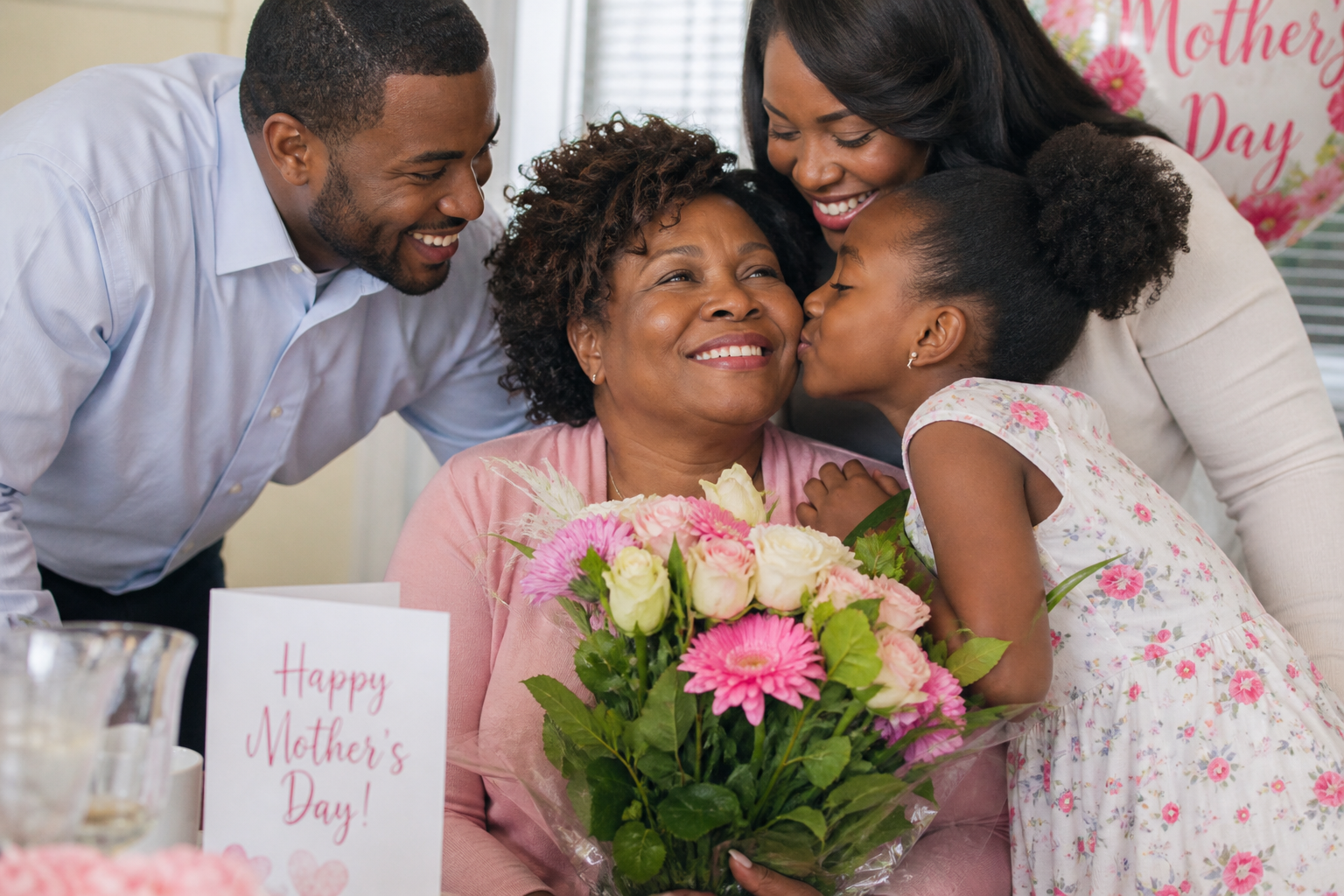
Every second Sunday of May, something remarkable happens across the United States. Restaurants fill to capacity. Flower shops sell out. Hallmark aisles go bare. Children — young and grown — pause the rush of everyday life to say two words that never seem to lose their power: Thank you, Mom.
Mother's Day is, by nearly every measure, one of the most widely observed holidays in the country. According to the National Retail Federation, Americans spend more on Mother's Day than on any other holiday except Christmas and Valentine's Day, with spending routinely topping $35 billion in recent years. More phone calls are made on Mother's Day than on any other day of the year. And florists report that it is, without question, their single busiest holiday.
But the holiday's origins are far more solemn — and far more fascinating — than a bouquet and a reservation at your favorite restaurant might suggest.
## A Daughter's Mission
The woman most credited with creating Mother's Day in America is Anna Jarvis of Grafton, West Virginia. After her own mother, Ann Reeves Jarvis, died in 1905, Anna was consumed by a singular mission: to honor her mother's memory and to establish a national day recognizing the sacrifices mothers make for their children.
Ann Reeves Jarvis had herself been a community organizer during and after the Civil War, running "Mother's Work Clubs" that cared for wounded soldiers on both sides of the conflict and worked to reconcile divided communities. She had once expressed a hope that someone would one day establish a memorial to mothers everywhere. Her daughter took that wish to heart.
On May 10, 1908, Anna Jarvis held the first official Mother's Day celebration at Andrews Methodist Episcopal Church in Grafton — the same church where her mother had taught Sunday school for twenty years. She sent 500 white carnations, her mother's favorite flower, to be distributed at the service. Word spread quickly, and within a few years, Mother's Day observances were being held in cities across the country.
Jarvis lobbied tirelessly — writing letters to politicians, businessmen, and clergymen — until President Woodrow Wilson signed a proclamation in 1914 designating the second Sunday in May as a national day to honor mothers.
## The Bitter Irony
Here is where the story takes a poignant turn. Anna Jarvis spent the rest of her life fighting against the very holiday she created.
As greeting card companies, candy makers, and florists moved in to commercialize the occasion, Jarvis grew furious. She had envisioned a personal, heartfelt holiday — a handwritten letter, a visit home, a quiet act of gratitude. What she got instead was a multi-million-dollar industry. She called the commercialization an "outright fraud" and spent much of her later life in legal battles and public protests against it, even trying to have the holiday rescinded.
She died in 1948, childless, in a sanitarium — her funds depleted largely by her crusade. It is said that, near the end, she confided she was sorry she had ever started the whole thing.
## What It Means Today
Whatever Anna Jarvis would make of the brunch reservations and gift cards and breakfast-in-bed rituals of the modern celebration, there is no denying that Mother's Day touches something real and universal in the American spirit.
For many families in Waco and across the country, it is one of the few days of the year when multiple generations gather under one roof. Grandmothers, mothers, daughters, and granddaughters share tables and memories. Sons who have moved away make the drive home. Estranged families sometimes find their way back to each other, even if just for a Sunday afternoon.
It is a holiday that transcends income, religion, and background. You don't have to be a certain faith to observe it. You don't need a particular tradition or ethnicity. What you need is a mother — or a memory of one — and a moment to pause and honor the work that so often goes unnoticed and unsung.
This Sunday, whether your celebration looks like a five-course meal or a gas station carnation and a phone call from a parking lot, the spirit Anna Jarvis originally intended is still in there somewhere.
Say thank you. Mean it. Call her back.
Mother's Day is observed this year on Sunday, May 10, 2026.